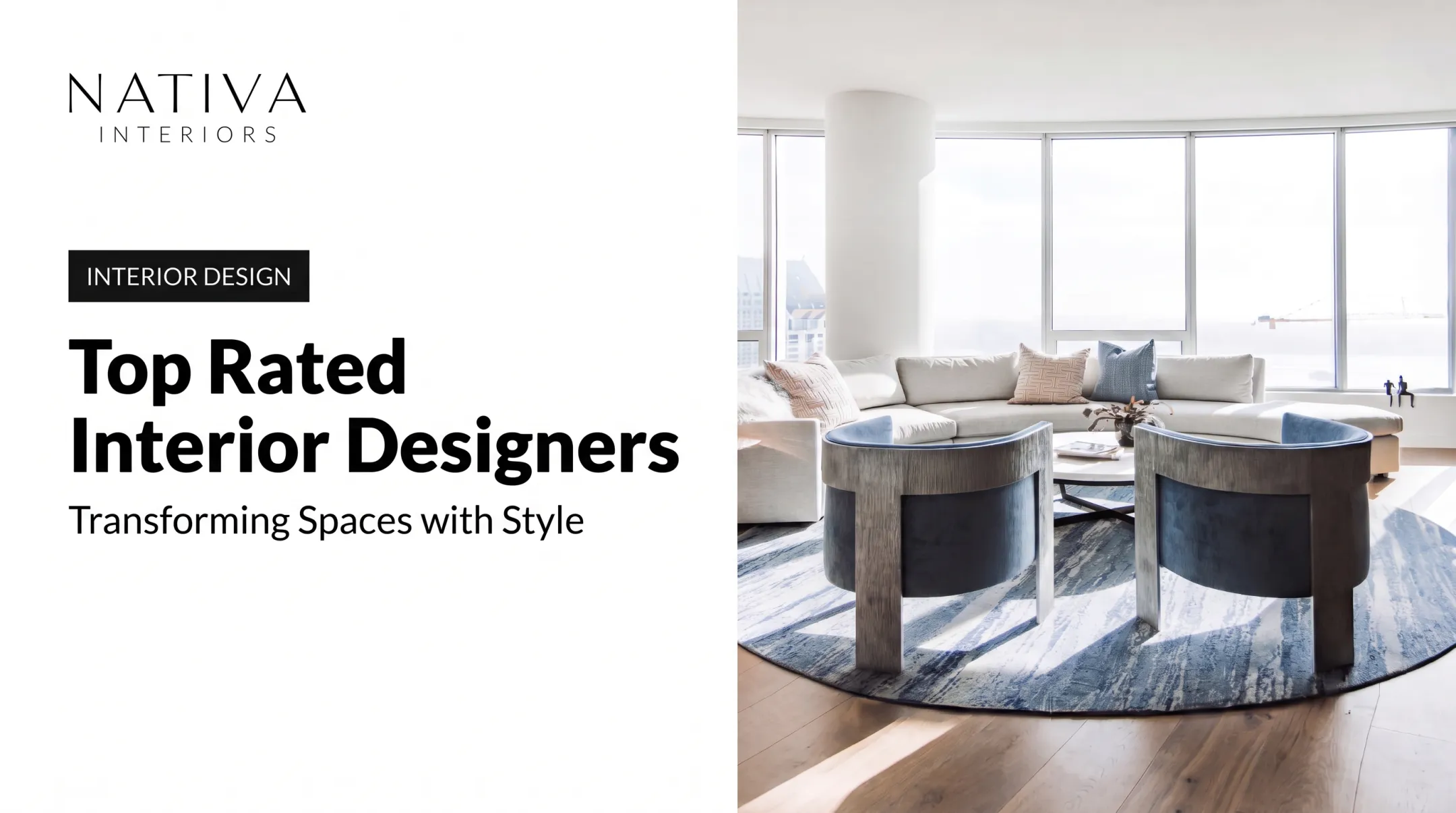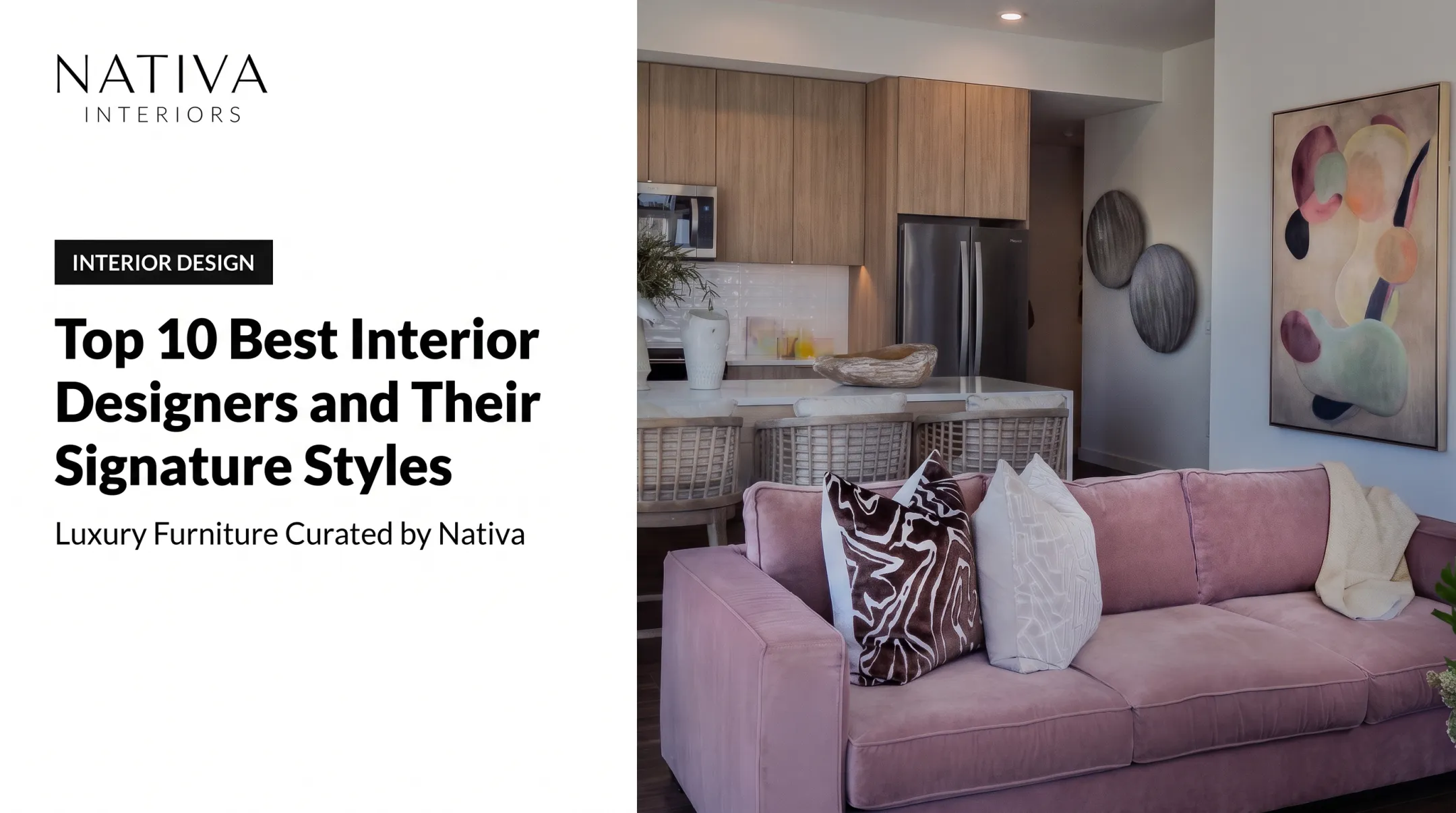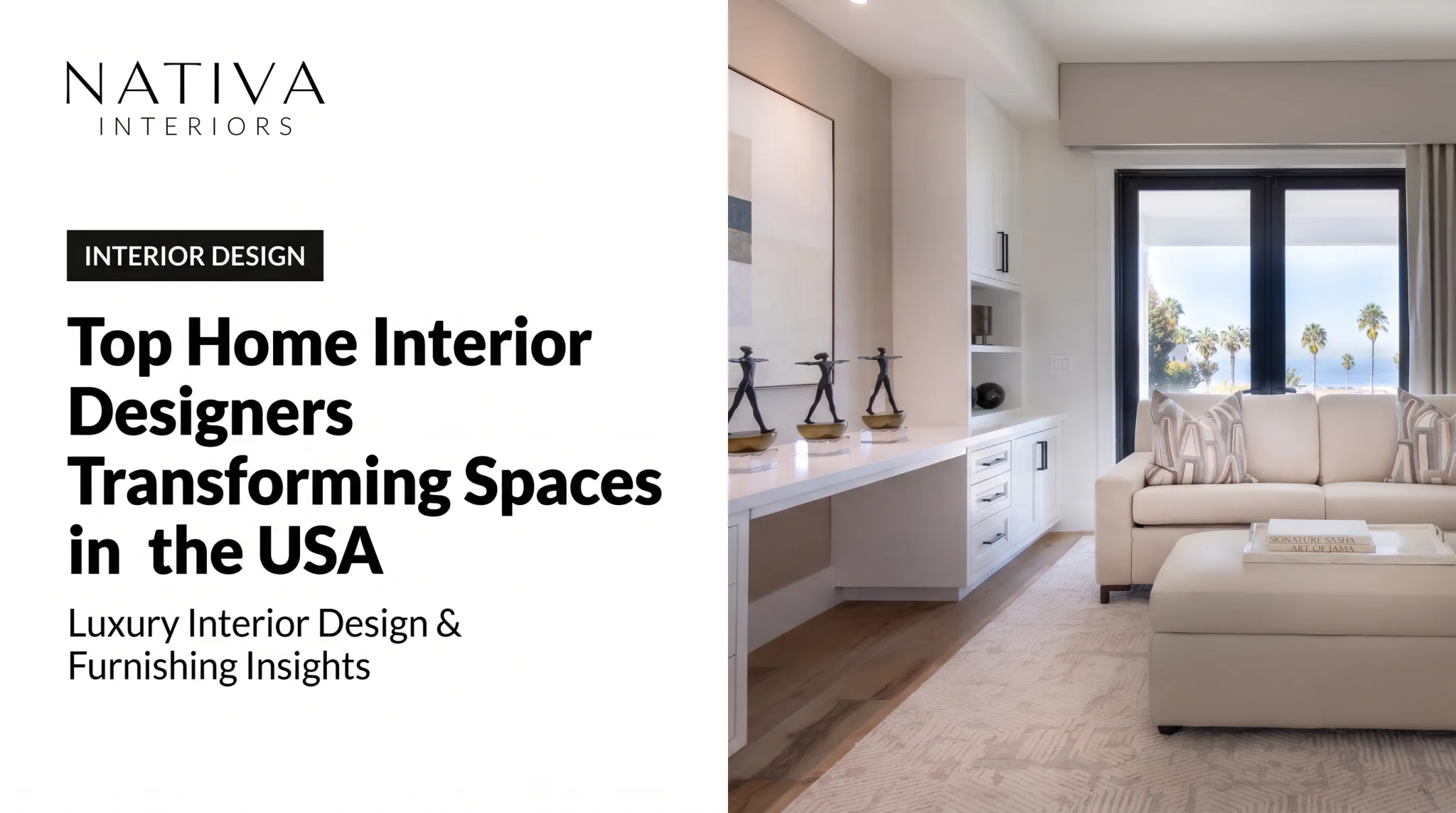

The designers shaping this movement use restraint as a tool, not a punishment. They remove what doesn't matter so what remains, light, material, proportion, a single meaningful object, actually gets noticed. This article breaks down the thinking behind that approach: the intentionality, the craftsmanship, the emotional payoff.
We'll look at designers who define minimalism differently, from architectural purists to warm, collected stylists. Then we'll cover the practical principles and the questions worth asking before you hire someone to bring this philosophy into your own home.
Key Takeaways
- Minimalism is an editing process built on purpose and quality, not deprivation.
- Warmth comes from natural materials, texture, light, and a few well-chosen personal objects.
- Designers interpret minimalism through different lenses: architectural, warm, cultural, sustainable.
- Good minimalist design responds to your lifestyle and architecture, not a template.
The Philosophy Behind Minimalist Interior Design
Minimalist interior design is a process of deciding what deserves space, attention, and money. It's not the same as an empty room. A house with no furniture and unfinished walls isn't minimalist. It's unfinished. The difference is intent.
Ludwig Mies van der Rohe's "less is more" gets quoted constantly, but the phrase is often misread. MoMA's collection notes describe his work as achieving fluid spatial harmony through rich materials and surfaces, not bare rooms. Reduction served the architecture; it didn't replace it.
Several traditions feed into this thinking:
- Bauhaus functionalism stripped furniture down to essential, mass-producible forms.
- Wabi-sabi values imperfection, aging, and visible signs of use over polished perfection.
- Scandinavian design ties simplicity to handcraft, comfort, and daily life rather than a specific color palette.
- Ma, the Japanese concept of meaningful emptiness, treats the space around an object as part of the composition.

Why Negative Space Isn't Wasted Space
Japan House Los Angeles describes ma as a pause, gap, or intentional empty space that gives meaning to what surrounds it. The traditional toko-no-ma alcove is deliberately kept empty so a single scroll or flower arrangement can hold the room's attention.
This is the real function of negative space. It improves circulation, directs the eye toward a focal point, and makes a room feel generous without adding furniture. It's a design decision, not an absence of one.
The best minimalist rooms share five values: purpose, restraint, quality, harmony, and personal meaning. Strip any one of those away and you're left with a room that looks styled but feels hollow.
What the Best Minimalist Interior Designers Have in Common
Ask ten designers to define minimalism and you'll get ten answers. What connects them is a shared discipline, not one fixed look.
Architectural minimalists work at the level of structure and light. John Pawson has built a career on pared-back interiors, from a Barbican apartment reduced to what Dezeen called "a state of emptiness" to retail spaces finished in plaster and stone.
Tadao Ando's Space of Light meditation room at Museum SAN uses narrow roof slits to let daylight carve shapes into raw concrete. Vincent Van Duysen leans on material continuity (stone, oak, blackened steel) so a room reads as one coherent gesture rather than a collection of finishes.
Warm and collected minimalists push against sterility. Rose Uniacke has described removing cornices and installing concrete fireplaces to achieve reduction that still feels architectural.
Corinne Mathern Studio builds what it calls elemental spaces, pared back but layered with raw texture and meaningful objects. Chango & Co. is known for minimalist interiors that stay warm and welcoming, shaped by each home's specific location and history.
Cultural interpretations shift the meaning of simplicity again. Norm Architects frames its "Soft Minimal" work around human-centered, tactile design.
Studio Keiko blends Japanese discipline, European elegance, and California ease. Japandi interiors combine Japanese restraint with Scandinavian warmth through natural materials like wood, linen, and stone.
Across all of them, a few traits repeat:
- Careful attention to proportion, scale, and how people actually move through a room
- Edited palettes that go beyond automatic reliance on white
- Layered textures instead of visual clutter
- Furniture chosen for comfort and longevity, not just silhouette
- Close collaboration with artisans and makers
Nativa Interiors' portfolio reflects this same range. The Paseo Delicias project, a six-month transformation led by designer Erica Silvera, combines rustic-modern minimalism with leather, natural textures, and warm tones. Canopy 1's bedroom uses a neutral palette with woven decor for warmth without excess.

"Best" here doesn't mean most awarded or most followed. It means the closest match between a designer's philosophy and what you actually need from your home.
How Minimalist Philosophy Becomes a Livable Interior
Philosophy is easy. Living in the result is harder. Turning minimalist principles into a room you actually want to spend time in starts with your life, not a mood board.
Start With Lifestyle and Architecture
Before choosing a single finish, minimalist designers ask practical questions:
- What do daily routines look like, and where do they happen in this space?
- How much storage is actually needed, and where should it go?
- How does the room get used for entertaining, working, or resting?
- Which existing architectural features (windows, ceiling height, sightlines) should shape the plan?
Build Warmth Without Adding Clutter
Cold minimalism usually comes from a lack of texture, not a lack of stuff. Fix it by layering:
- Wood, stone, plaster, linen, wool, and leather in the same room
- Tonal variation instead of busy patterns for visual depth
- Comfortable upholstery, rugs, and window treatments balanced against hard architectural surfaces
Nativa Interiors applies this directly in its own aesthetic, combining clean lines with rich woods, woven textiles, and stone to keep spaces from feeling clinical.
Let Furniture Do the Talking
In a minimalist room, furniture carries more visual weight because there's less of it. That makes selection critical:
- Choose fewer pieces, each with a clear function and appropriate scale
- Consider multifunctional or custom pieces when they improve storage or flow
- Prioritize construction quality over trend-driven shapes
This is where made-to-order furniture earns its place. Nativa Interiors designs and fabricates beds, sofas, dining tables, and case goods in-house, with typical production timelines of 6 to 8 weeks plus shipping.
A piece like the Carmen Console, built at 72 inches wide, can be sized to fit a specific wall rather than forcing a room to accommodate an off-the-shelf dimension.
Light, Color, and the Case for Warm Neutrals
Natural light does more work in a minimalist room than in a busier one because there's nothing competing with it. Layer it with artificial lighting that shifts through the day.
Warm neutrals usually keep that light feeling inviting rather than stark, which is why they suit rooms people live in every day. Cool neutrals, earth tones, and selective accents still work when the choice is deliberate rather than a default gray-on-gray scheme.
The 3-5-7 and 70/30 Rules, Used as Guides
With layout, furniture, light, and color set, two styling heuristics help keep surfaces intentional:
- The 3-5-7 rule suggests grouping objects in odd numbers, three, five, or seven, to create visual rhythm, according to Homes & Gardens.
- The 70/30 rule splits a room roughly 70% one style or palette and 30% a contrasting element for interest.

Neither is a law. Designers adapt or ignore both depending on a room's architecture and a client's preferences.
Avoiding Cold, Generic, or Over-Minimalized Spaces
Minimalism goes wrong in predictable ways. Spot these failure points early and you can design around them.
Common problems and fixes:
| Problem | Fix |
|---|---|
| Flat white surfaces with no texture | Add plaster, wood grain, or stone |
| Furniture chosen for looks over comfort | Prioritize upholstery quality and seat depth |
| Every personal object hidden away | Display one or two meaningful pieces with breathing room |
| Decluttering treated as the whole design process | Layer in materials, lighting, and architecture after clearing space |
Storage deserves real planning, not an afterthought. Concealed cabinetry, built-ins, and furniture with integrated storage keep a room clear without requiring you to hide everything you own. Nativa's Loft Dining Buffet, at 60 inches wide with two doors and two drawers, is one example of storage built into a piece that still reads as a clean, singular object.
Sustainability belongs in the same discipline. Durable, repairable furniture avoids the replacement cycle that generates waste. The Interreg Circular Furniture Design Guide identifies modularity, disassembly, and material transparency as key factors in extending a piece's usable life. Nativa Interiors has sourced FSC-certified or responsibly harvested wood since 2001 and shifted its finishes to low-VOC, water-based formulas.
Quick test for a minimalist room:
- Is it easy to use day to day?
- Does the eye have somewhere to rest?
- Are materials and proportions intentional, not accidental?
- Does the space still reveal something about the people living there?
How to Choose a Minimalist Interior Designer for Your Project
Not every minimalist designer works the same way, so matching philosophy to project matters more than matching reputation.
Start with the portfolio. Look for evidence of the specific approach you want: architectural, warm and collected, Japandi, or another clear direction. A designer whose work looks interchangeable across different homes is a warning sign.
Ask about process. Cover the practical details:
- How do they learn about your lifestyle, storage needs, and daily routines?
- What's their approach to comfort versus visual restraint?
- Do they offer custom or made-to-order furniture, and what are realistic lead times?
- How do they handle budget, sourcing, and project management from concept to installation?
Compare beyond the photographs. Consistency in proportion, material quality, and detailing across multiple projects tells you more than any single hero shot. So does personalization: can this designer make five different homes feel intentional without making them feel identical?
Nativa Interiors' residential projects in La Jolla, Carmel Valley, and Santaluz show this range in practice: shared material sensibility, distinct results for each client and property.
A Bespoke Perspective: Craftsmanship, Comfort, and Intentional Design
Nativa Interiors is a Southern California luxury furniture and interior design firm with roughly 25 years of experience. The company operates showrooms in La Jolla, Solana Beach, and Newport Beach, with in-house design and manufacturing capabilities.
Its approach mirrors the minimalist principles in this guide: fewer, more purposeful pieces chosen for a specific person and space—not a generic template. The firm's "minimalist luxury" aesthetic pairs clean lines with rich woods, woven textiles, and stone, avoiding the flat, textureless look that gives minimalism a bad name.

What that looks like in practice:
- Custom furniture made to order in North America, typically within 6 to 8 weeks plus shipping
- Curated collections mixing Nativa's own line with brands like American Leather, Lee Industries, and Stressless
- Full-service support from space planning and concept sketches through white-glove delivery and installation
Homeowners who want minimalist design without giving up comfort or personal expression can explore Nativa Interiors' residential design services.
Frequently Asked Questions
Who are some famous minimalist interior designers?
John Pawson is known for architectural reduction and light, and Vincent Van Duysen for material continuity in stone and wood. Rose Uniacke, Corinne Mathern Studio, Norm Architects, and Studio Keiko offer warmer or more human-centered takes on the same restraint.
Is minimalist interior design still popular in 2026?
Yes, though it's evolving. Houzz's 2026 coverage describes minimalist design as still centered on function and restfulness, but current trend reporting shows a clear shift toward warmer, textured, natural-material interiors rather than stark, all-white rooms.
What are the 3-5-7 and 70/30 rules in interior design?
The 3-5-7 rule groups objects in odd numbers for visual rhythm. The 70/30 rule splits a room roughly 70% one style and 30% a contrasting accent. Both are flexible styling guides, not fixed requirements.
What is the philosophy behind minimalist interior design?
It centers on intentional choices, functional clarity, and quality over quantity. The goal is a room that supports how you actually live, with restraint used to highlight what matters, not to strip everything away.
How do minimalist designers make a room feel warm and personal?
Through natural materials, layered textures, comfortable furniture, and warm lighting. Carefully chosen art, heirlooms, and collected pieces get enough surrounding space to stay visually significant.
How do I choose the right minimalist interior designer for my home?
Compare portfolios for consistency in proportion and material quality, and ask detailed questions about their process. Look for evidence they can adapt minimalism to your architecture and lifestyle rather than applying one fixed look.