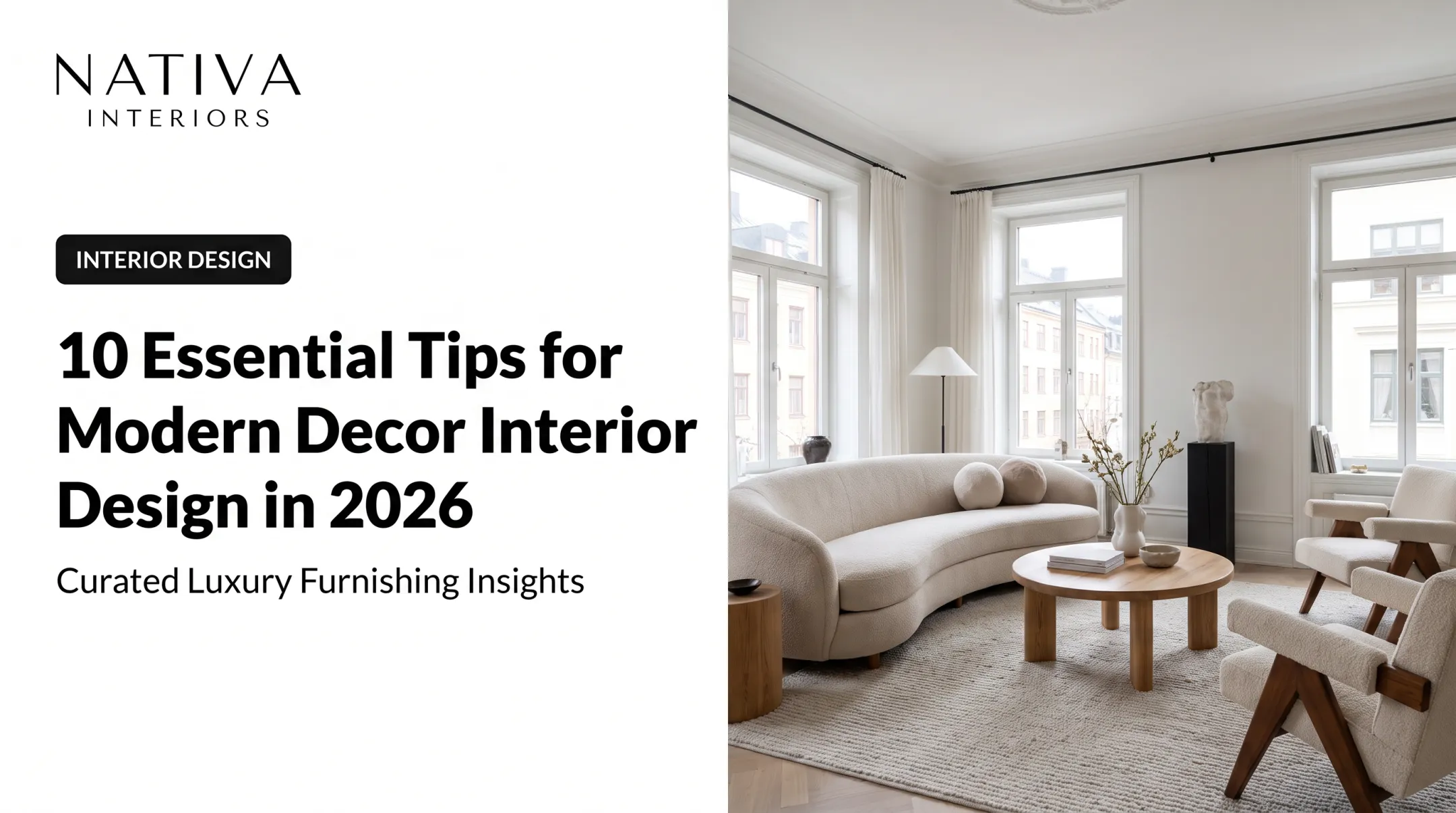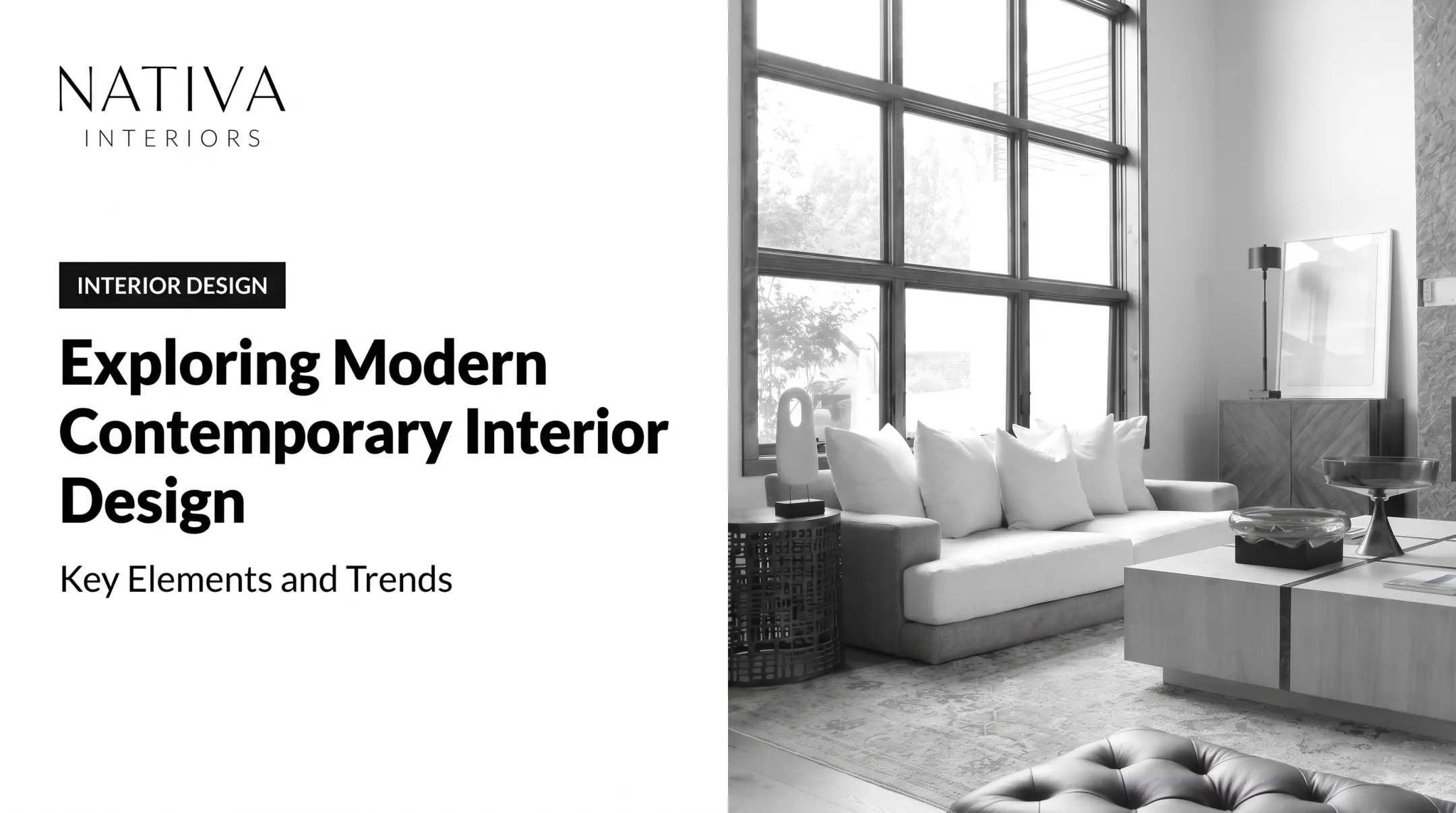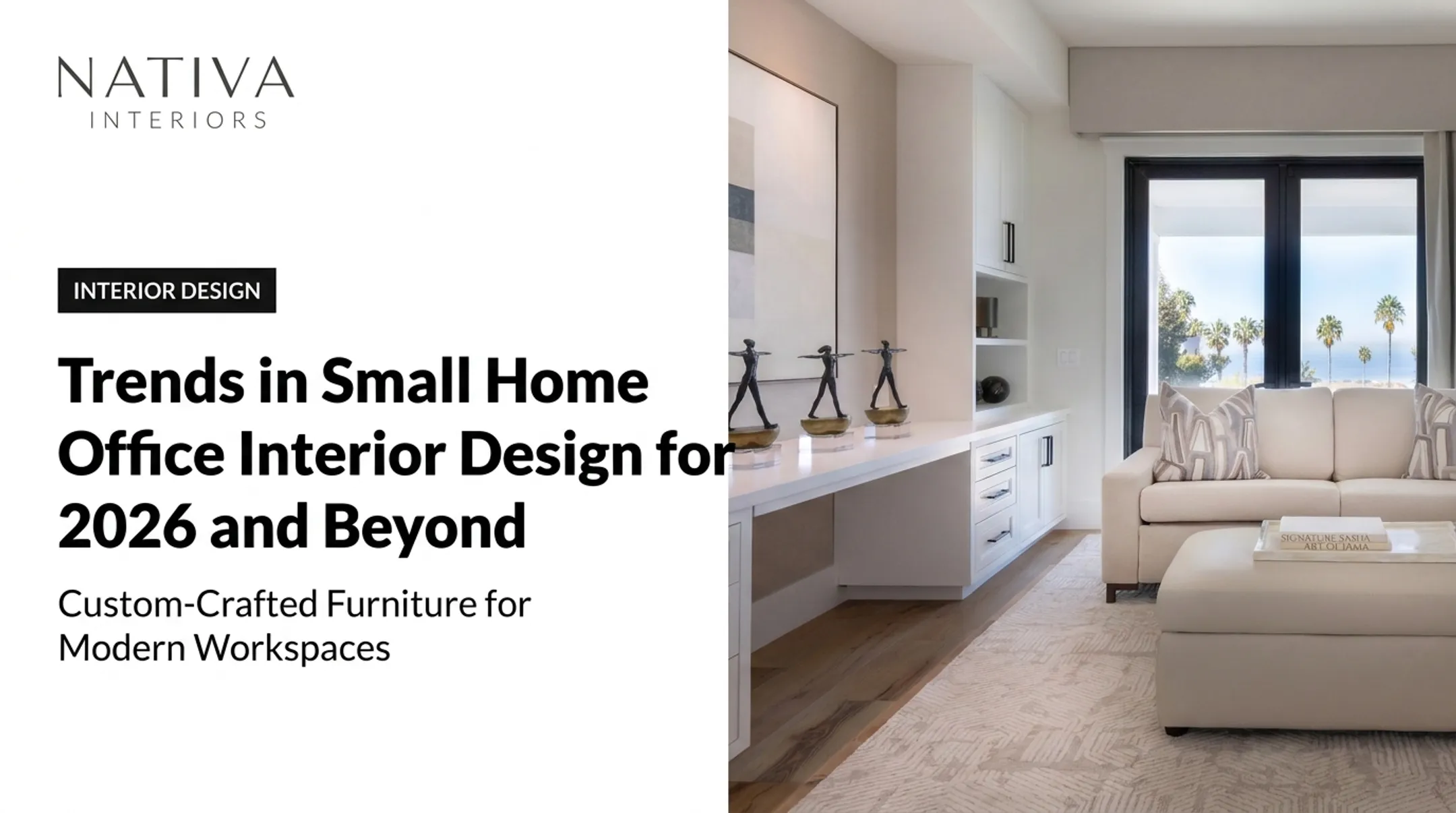

Getting that balance right is harder than it looks. Lean too far into raw materials and a room reads like a hunting lodge. Lean too far into polish and you lose the warmth that made rustic appealing in the first place.
By 2026, the style is moving past farmhouse shorthand (shiplap, barn doors, distressed signage) toward something more personal, sustainable, and materially expressive. This article covers the five trends shaping that shift, the forces driving them, and the practical signals worth watching, whether you're furnishing one room or planning a full renovation.
Key Takeaways
- Intentional contrast defines 2026 rooms: clean-lined furniture set against raw wood, stone, and plaster
- Made-to-order and repairable furnishings are replacing disposable, trend-chasing purchases
- Color expands beyond beige into camel, terracotta, muted olive, and mineral blue
- Smart-home technology gets concealed, not showcased, to preserve tactile warmth
- The strongest rooms feel collected and personal, not themed or over-distressed
The Modern Rustic Interior Design Trends Defining 2026
These five trends build on modern rustic's enduring foundation of natural materials, comfortable proportions, and honest construction, while reflecting new expectations around sustainability, authenticity, and how people actually use their homes.
Material Contrast Becomes More Refined
Picture a sculptural, clean-lined sofa next to a table cut from a single heavily grained walnut slab. Or honed limestone flooring under blackened-steel furniture legs. That's the 2026 approach: raw, tactile materials paired deliberately with smoother, streamlined forms. Wood, stone, linen, leather, wool, and plaster do the heavy lifting.
The key word is intentional. Instead of layering rustic elements everywhere (reclaimed wood, exposed beams, wrought iron sconces all in one room), designers are choosing one or two raw textures per space and letting them breathe against quieter surfaces.
Practical ways to apply this:
- Pair a sculptural sofa with a highly grained wood coffee table
- Combine honed stone countertops with understated brass or blackened-steel hardware
- Use one statement raw-wood piece as the room's anchor, then keep everything else simple
Nativa Interiors' oak-slab dining tables paired with leather-wrapped chairs under sculptural lighting show this pairing in practice: raw material grounding a current, refined silhouette.
Bespoke Craftsmanship and Visible Individuality
Mass-produced farmhouse accessories, from distressed signs to uniform white cabinetry, are giving way to pieces that show their maker's hand: material variation, visible joinery, hand-finishing.
The numbers back this up. In a 2024 survey of 643 designers, 62% planned to source more artisan furniture for 2025, compared with 35% planning more from large manufacturers.

When evaluating craftsmanship, ask about:
- Construction quality: solid joinery versus staples and glue
- Material provenance: where the wood, stone, or leather actually comes from
- Repairability: can it be refinished or reupholstered down the road?
- Finish durability: will it age well, or show wear right away?
Nativa Interiors builds its collection around this idea, designing furniture in California and handcrafting it in North America with solid walnut frames, sustainable upholstery, and customizable finish options.
Warmer, More Nuanced Color Stories
All-beige rooms are losing ground. Sherwin-Williams named Universal Khaki SW 6150 its 2026 Color of the Year, describing it as a warm, livable neutral with a slight yellow undertone that pairs easily with wood and stone.
Beyond khaki, 2026 palettes lean into:
- Camel, clay, and terracotta for warmth
- Muted olive and mineral blue for depth
- Charcoal for grounding contrast
- Naturally varied wood tones treated as a neutral in their own right
Introduce these through upholstery, art, a rug, or cabinetry rather than repainting every wall. Nativa's Signature Collection sofa in cognac-brown leather, or its Honor Accent Chair in charcoal and sand, offer ways to bring in color without disrupting the calm, nature-connected feel modern rustic depends on.
Flexible Spaces with Comfort-First Functionality
Modern rustic rooms now have to do more: host, work, relax, and adapt as households change. In practice, that means:
- Living rooms: modular sectionals that reconfigure for movie night or a full house
- Kitchens: islands long enough for prep and casual dining alike
- Bedrooms: nightstands and dressers with concealed storage, not just style
- Multipurpose rooms: furniture that shifts from home office to guest space
Functionality gets decided before decorative styling, not after. Nativa Interiors' sofa collection includes modular options built for this kind of use: custom sizing and configurable upholstery so a sectional works for a growing family now and a different layout later. American Leather's modular, performance-focused pieces follow the same logic.
Technology Becomes Quieter and Less Visible
Smart-home adoption keeps climbing, but visible gadgets clash with modern rustic's tactile warmth. The fix is concealment: speakers built into walls or furniture, shades that lower on a schedule, lighting controlled from an app rather than a wall of switches.
Layered lighting matters most here. A room needs:
- Ambient light for general warmth
- Task lighting for reading or cooking
- Accent lighting to highlight wood grain, stone texture, or art
Done well, technology disappears into the architecture instead of competing with it. A charging drawer in a nightstand or a hidden soundbar behind a media console is useful, not decorative.
What's Driving These Modern Rustic Interior Design Trends
Behind these five trends sit broader forces: changing consumer priorities, material awareness, more flexible lifestyles, wellness, and a growing desire for interiors with lasting emotional value.
Sustainability and Lifecycle Thinking
"Natural" materials aren't automatically eco-friendly. Sourcing, finishing, and lifespan matter more than the raw material itself. Durable, repairable furniture and made-to-order production reduce waste compared with buying disposable pieces every few years.
Nativa Interiors has sourced FSC-certified or responsibly harvested wood since 2001, and spent nine years shifting from high-VOC oil-based finishes to near-zero-VOC water-based ones. That's the kind of track record a sustainability claim actually needs.

Demand for Authentic, Personal Environments
Homeowners are stepping back from highly coordinated, algorithm-driven rooms toward spaces that reflect their own history: travel finds, family pieces, a hobby that needs display space. Industry research from ASID links this shift to a broader desire for genuine connection over curated perfection.
Custom furniture supports this directly. Choosing your own dimensions, wood species, and upholstery means the piece reflects you, not a catalog page.
Comfort, Wellness, and Connection to Nature
Natural light, tactile materials, and views of greenery shape how a room feels day to day. Research on biophilic design has found a meaningful positive effect on well-being across studies, even though most evidence comes from controlled settings rather than homes directly.
In practice, modern rustic's linen, wool, and unfinished wood do double duty: texture first, restorative design cue second.
Flexible Lifestyles and Technology
Hybrid work, multigenerational households, and at-home entertaining are reshaping floor plans. Census data shows 13.8% of U.S. workers primarily worked from home in 2023. That figure represents more than 22 million people who need a workspace that doesn't feel like an afterthought.
Add rising smart-home adoption to the mix, and rooms need to flex between focused work, family gatherings, and quiet evenings, often on the same day.
Competitive Differentiation in Luxury Interiors
Trend packages that look identical from house to house don't hold much appeal at the luxury end of the market. Designers, furniture makers, and hospitality brands are competing on customization, material provenance, and full-service experience instead.
Nativa Interiors' trade program and its own North American manufacturing reflect this shift. Clients, and the designers working with them, increasingly want a maker who can explain where a piece comes from and stand behind it.
How These Trends Are Impacting Interior Design
The 2026 modern rustic direction touches every phase of a project: concept development, sourcing, installation, and long-term maintenance.
Operational Impact
More customized projects require earlier material sampling and detailed specifications. Made-to-order pieces typically need six to eight weeks to produce, plus shipping. That timeline has to be built into the project schedule from day one.
Coordination between designers, makers, architects, and contractors needs to start earlier too, especially on commercial work spanning fabrication, lighting, and signage.
Business Impact
Durable, bespoke furnishings shift the purchasing conversation. Instead of comparing sticker prices, clients start weighing lifecycle value.
A solid-wood dining table refinished in a decade often costs less over time than three cheaper replacements. That reframing supports client retention and gives designers room to differentiate through service, not just price.

Workforce and Skills Impact
Material literacy, sourcing knowledge, digital visualization, and smart-home coordination are becoming baseline skills rather than specialties. Designers who can walk a client through wood species, finish options, and lead times, and show a rendering before ordering, tend to close projects faster. They also see fewer costly changes mid-build.
Client Decision-Making Checklist
Before approving major furnishings or finishes, ask:
- Where was this made, and from what materials?
- What does the construction look like underneath the upholstery?
- Can it be customized on dimensions, fabric, or finish?
- What's the lead time, and does it fit the project schedule?
- What warranty and care instructions come with it?
- Can it be repaired, refinished, or repurposed later?
These questions matter whether you're buying one accent chair or furnishing an entire home.
Future Signals for Modern Rustic Design
Design trends develop gradually and unevenly. Separate durable signals from short-lived visual fads, and focus on what could shape the next one to three years.
Early Indicators to Watch
- Repairable, modular furniture gaining ground over disposable pieces
- Transparent material sourcing becoming standard rather than a premium add-on
- Vintage and antique pieces integrated alongside new furniture
- Artisan collaborations replacing generic manufacturer lines
Also watch whether farmhouse's overt markers, like distressed signage and uniform white-and-wood schemes, keep fading in favor of architectural warmth, patina, and objects that carry real meaning.
Technologies and Developments to Watch
Bio-based materials and recycled textiles keep advancing, though adoption across furniture and textiles remains gradual rather than sweeping. On the process side, visualization tools and digital consultations let clients test color, proportion, and furniture scale before committing to custom pieces.
Physical samples still matter, though. Texture and finish are hard to judge on a screen.
Scenarios for 2027–2029
Three possibilities seem plausible:
- Modern rustic becomes an even more personalized luxury language, with fewer shared visual cues and more one-of-a-kind pieces.
- It merges further with warm minimalism and organic modernism, blurring into one broad "natural contemporary" category.
- It fragments regionally, shaped by local climate, architecture, and craft traditions.

Whichever path wins out, the practical advice doesn't change: prioritize quality, proportion, comfort, and personal meaning. A well-made piece chosen for the right reasons stays relevant long after any single trend label fades.
Conclusion
Modern rustic interior design in 2026 centers on intentional balance: natural character, contemporary function, craftsmanship, and restraint. Rooms that lean too hard into theming or distressing will feel dated fast; rooms built around quality materials and personal meaning won't.
Future-proofing the look comes down to a few decisions:
- Invest in durable materials built to last
- Choose furniture flexible enough to adapt as life changes
- Pick finishes that age gracefully instead of needing frequent replacement
If you're working through what that looks like in your own home, Nativa Interiors' custom furniture and full-service interior design team, with showrooms in La Jolla, Solana Beach, and Newport Beach, can help translate these trends into a space that's actually yours.
Frequently Asked Questions
What is modern rustic interior design?
Modern rustic blends clean-lined, contemporary furniture with natural materials like wood, stone, and linen, plus visible craftsmanship and earthy colors. It keeps rustic warmth while cutting the clutter and theming of traditional country decor.
Can rustic design be modern?
Yes. Rustic becomes modern when raw materials are balanced with clean silhouettes, intentional editing, and current functionality. The key is restraint: one or two raw textures per room, not a dozen.
What are modern rustic colors?
Warm whites, taupes, greiges, camel, and wood tones form the base, with charcoal, terracotta, and muted green as accents. Mineral-inspired blues are gaining ground too, especially in tile and upholstery.
What are some popular rustic home decor styles?
Modern rustic sits alongside farmhouse, coastal rustic, industrial rustic, organic modern, and cabin-inspired looks. Farmhouse stays more traditional, industrial mixes concrete and steel, and organic modern sits closest to modern rustic.
What decor style is replacing farmhouse?
No single style has fully replaced farmhouse, but organic modern, warm minimalism, and modern rustic are pulling attention away from it. The shared thread is less overt theming and more genuine material character.
What interior design trends are out for 2026?
Overly themed farmhouse accessories, excessive distressing, uniform beige rooms, and trend-only purchases are losing relevance. Rooms built purely for a look rather than a lifestyle tend to feel dated fastest.